A Practical Guide to Retail Store Design: Key Principles for Effective Displays
Creating an effective retail store design is crucial for capturing customers’ attention and driving sales. A well-designed store not only enhances the shopping experience but also communicates the brand’s identity and values. At Amitoje Shop Fittings, we’ve worked with over 800 brands to transform their retail spaces into engaging and immersive environments that boost customer engagement and conversion rates.
The Importance of Retail Store Design
A retail store’s design plays a significant role in shaping customers’ perceptions and influencing their purchasing decisions. A well-planned store layout can guide customers through the space, highlighting key products and promotions. Effective retail store design involves creating an atmosphere that resonates with the target audience, making them feel comfortable and inclined to explore the store.
Some key considerations for effective retail store design include:
- Understanding the target audience and their preferences
- Creating an immersive brand experience through visual merchandising and store fixtures
- Optimizing store layouts to maximize customer flow and product visibility
For retailers looking to create stunning visual merchandising displays, choosing the right display cabinets is essential. Amitoje Shop Fittings offers expert guidance on selecting the perfect display solutions for retail spaces in various cities, including store furniture in Mumbai and display cabinets in Bangalore.
Key Benefits of Effective Retail Store Design
Effective retail store design can have a significant impact on a retailer’s bottom line. Some of the key benefits include:
| Benefit | Description |
|---|---|
| Increased Customer Engagement | A well-designed store encourages customers to explore and interact with products |
| Improved Brand Perception | A cohesive brand experience reinforces the brand’s identity and values |
| Boosted Sales | Effective product placement and visual merchandising drive sales and conversion rates |
By understanding the principles of effective retail store design, retailers can create engaging and immersive environments that drive customer engagement and sales. In the following sections, we’ll delve deeper into the key principles of retail store design and provide practical tips for creating effective displays.
Key Principles of Retail Store Design
Effective retail store design is crucial for creating an engaging customer experience and driving sales. To achieve this, it’s essential to understand the key principles that guide the design process. Let’s dive into the fundamental elements that make a retail store stand out.
Understanding Your Target Audience
Before designing a retail store, it’s vital to understand who your target audience is. What are their needs, preferences, and shopping behaviors? By knowing your customers, you can tailor your store design to meet their expectations. For instance, a store catering to young adults might incorporate modern and trendy displays, while a store targeting families might focus on creating a welcoming and comfortable environment.
Creating an Immersive Brand Experience
A well-designed retail store should immerse customers in the brand’s identity and values. This can be achieved through:
- Consistent branding elements, such as logos, color schemes, and typography
- Engaging visual merchandising that showcases products in an attractive and compelling way
- Interactive experiences that encourage customers to explore and engage with the brand
For example, a fashion retailer might create a luxurious atmosphere by incorporating high-end materials, sophisticated lighting, and elegant displays. To learn more about creating effective displays, check out our guide on display cabinets Delhi for expert insights.
Optimizing Store Layouts for Maximum Impact
The layout of a retail store plays a significant role in guiding customers through the space and influencing their purchasing decisions. Key considerations include:
| Layout Element | Description |
|---|---|
| Traffic Flow | Designing the store to guide customers through a logical path, encouraging them to explore different areas |
| Product Placement | Strategically placing products to maximize visibility, accessibility, and appeal |
| Focal Points | Creating attention-grabbing displays or features that draw customers in and create a memorable experience |
By applying these principles, retailers can create an effective retail store design that resonates with their target audience and drives business success. For more information on designing retail spaces, explore our resources on store furniture Mumbai and discover how to create a cohesive and engaging brand experience.
Planning and Designing Your Retail Store
Planning and designing a retail store is a complex task that requires careful consideration of several factors, including scalability, modularity, and cost-effectiveness. A well-designed retail store can make a significant difference in enhancing customer experience and driving sales. Here’s the thing… a modular retail store design can be particularly beneficial for businesses looking to expand to multiple locations.
Benefits of Modular Retail Store Design
A modular design allows you to create a consistent brand experience across all your stores, while also making it easier to expand or modify individual locations as needed. Some key benefits of modular retail store design include:
- Consistency across all stores
- Ease of expansion to multiple locations
- Reduced costs through standardized components
- Faster installation and setup
- Flexibility to adapt to changing market trends
To achieve a modular retail store design, it’s essential to focus on creating a scalable and flexible layout. This can be achieved by using standardized components, such as store furniture and display fixtures, that can be easily replicated across different locations.
Key Considerations for Planning and Designing Your Retail Store
When planning and designing your retail store, there are several key considerations to keep in mind. These include:
| Consideration | Description |
|---|---|
| Target Audience | Understanding your target audience and their needs is crucial in designing an effective retail store. |
| Brand Identity | Your retail store design should reflect your brand’s identity and values. |
| Store Layout | A well-designed store layout can help to enhance customer experience and drive sales. |
| Display Fixtures | The right display fixtures, such as display cabinets, can help to showcase your products effectively. |
By considering these factors and focusing on creating a modular and scalable retail store design, you can create an effective and engaging retail environment that drives sales and enhances customer experience.
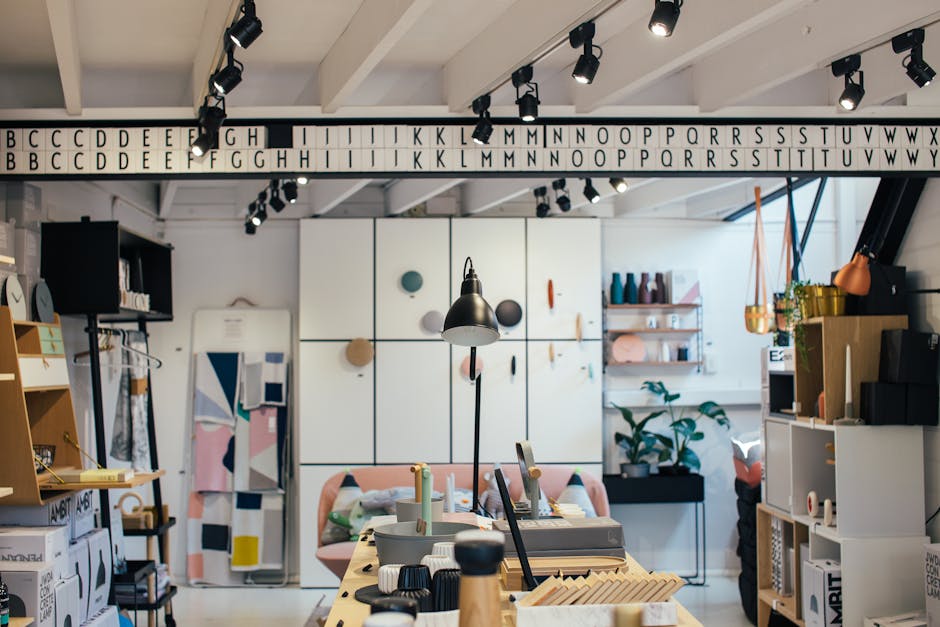
Comparing Retail Store Design Strategies
When it comes to designing a retail store, there are several strategies to consider. Two popular approaches are traditional bespoke designs and modular, scalable solutions. Let’s dive into the pros and cons of each to help you decide which is best for your retail business.
Traditional Bespoke Designs
Bespoke designs offer a unique, tailored approach to retail store design. They’re created from scratch to meet the specific needs of your brand and store. The benefits include:
- A customized look that reflects your brand’s identity
- Flexibility to incorporate specific design elements
- Potential for a high-end, premium feel
However, bespoke designs can be costly and time-consuming to produce. They may also require significant revisions if you need to make changes or expand to multiple locations.
Modular and Scalable Solutions
Modular designs, on the other hand, offer a more flexible and cost-effective approach. They’re designed to be easily replicated and adapted to different store layouts. The benefits include:
- Consistency across multiple locations
- Quick installation and minimal downtime
- Scalability to accommodate growing or changing business needs
For example, a modular store furniture system can be easily reconfigured to suit different store layouts, making it an effective solution for retailers with multiple locations. Similarly, a well-designed display cabinet can enhance the overall shopping experience and drive sales.
| Design Approach | Cost | Installation Time | Scalability |
|---|---|---|---|
| Bespoke | High | Long | Limited |
| Modular/Scalable | Moderate | Quick | High |
Ultimately, the choice between traditional bespoke designs and modular, scalable solutions depends on your business needs and priorities. If you’re looking for a unique, high-end look and are willing to invest time and money, bespoke might be the way to go. However, if you need a cost-effective, efficient solution that can be easily replicated across multiple locations, modular designs are worth considering.
| Retail Store Design Strategy | Description | Target Audience | Key Features | Cost-Effectiveness |
|---|---|---|---|---|
| Modern Minimalist | Sleek, simple, and clutter-free design that focuses on product showcase | Young adults, urban dwellers | Open floor plan, minimal decor, digital signage | High |
| Traditional Luxury | Opulent, high-end design that evokes a sense of sophistication and elegance | Affluent consumers, luxury brand enthusiasts | Rich materials, intricate details, personalized service | Low |
| Sustainable Eco-Friendly | Environmentally conscious design that incorporates recycled materials and energy-efficient solutions | Environmentally aware consumers, health-conscious shoppers | Recycled materials, energy-efficient lighting, green walls | Medium |
| Experiential Interactive | Immersive, interactive design that encourages customer engagement and participation | Tech-savvy consumers, families with children | Interactive displays, virtual reality experiences, gamification | Medium |
This comparison table provides a clear and concise overview of different retail store design strategies, highlighting their key features, target audiences, and cost-effectiveness. The table is designed to be scannable and easy to understand, allowing readers to quickly compare and contrast the different design strategies. The criteria used for comparison are meaningful and relevant to the topic, providing genuine value to readers who are searching for information on retail store design.
Creating Effective Retail Displays
Creating effective retail displays is crucial for capturing customers’ attention and driving sales. A well-designed display can make a significant difference in how your products are perceived and can ultimately impact your bottom line. Here’s the thing: it’s not just about showcasing your products; it’s about creating an immersive brand experience that resonates with your target audience.
Visual Merchandising Techniques
Visual merchandising is an art that involves creating a visually appealing display that communicates your brand’s message. To create an effective display, consider the following techniques:
- Use a mix of product displays, signage, and graphics to create a cohesive visual identity.
- Balance text and images to avoid clutter and ensure clear communication.
- Consider the rule of thirds when arranging products and displays.
- Use lighting to highlight key products and create ambiance.
For instance, you can learn more about creating stunning visual merchandising displays in our guide on display cabinets Kolkata. Effective visual merchandising can help you create an engaging retail environment that draws customers in and encourages them to explore your products.
Product Placement and Lighting Design
Strategic product placement and lighting design are critical components of an effective retail display. Here are some tips to keep in mind:
| Design Element | Best Practices |
|---|---|
| Product Placement | Place high-demand products at eye-level, and use tiered displays to create visual interest. |
| Lighting Design | Use a combination of ambient, task, and accent lighting to create a visually appealing atmosphere. |
When designing your retail store, it’s essential to consider the importance of quick installation and minimal downtime. A modular retail store design can help you achieve this by allowing you to set up and rearrange displays quickly and efficiently. For more information on designing a modular retail store, check out our guide on store furniture Bangalore.
By incorporating these techniques and best practices into your retail display design, you can create an engaging and effective shopping environment that drives sales and customer loyalty.
Overcoming Common Challenges in Retail Store Design
Designing a retail store is a complex task that involves balancing aesthetics, functionality, and budget. Retailers often face common challenges in retail store design, such as managing costs, ensuring consistency across multiple locations, and adapting to changing consumer behavior. Let’s explore these challenges and how to overcome them.
Managing Costs Effectively
One of the primary concerns for retailers is managing costs without compromising on quality. To achieve this, consider using modular and scalable retail store designs. These designs allow for easier replication across multiple locations, reducing the need for custom designs and associated costs. Additionally, modular designs can be easily updated or reconfigured as needed, extending the lifespan of your retail store fixtures.
Ensuring Consistency Across Locations
Maintaining a consistent brand image across multiple locations is crucial for building customer trust and loyalty. To achieve this, develop a standardized retail store design template that can be adapted to different locations. This template should include core design elements such as color schemes, lighting, and display fixtures. By using a consistent design language, you can create a cohesive brand experience that resonates with customers across different locations.
Some key benefits of standardized retail store design include:
- Easier brand recognition and customer loyalty
- Simplified store design and implementation process
- Reduced costs associated with custom designs
- Improved operational efficiency across multiple locations
Adapting to Changing Consumer Behavior
Consumer behavior and preferences are constantly evolving, and retailers need to adapt their store designs to stay relevant. To achieve this, focus on creating flexible and adaptable retail store designs that can be easily reconfigured to respond to changing consumer needs. For example, you can use modular display fixtures and versatile lighting systems to create different in-store experiences.
For more information on designing effective retail displays, check out our guides on display cabinets Delhi and store furniture Mumbai. By understanding the challenges and opportunities in retail store design, you can create effective and engaging retail spaces that drive sales and customer loyalty.
| Challenge | Solution | Benefits |
|---|---|---|
| Managing Costs | Modular and scalable designs | Reduced costs, easier replication |
| Ensuring Consistency | Standardized design template | Easier brand recognition, simplified implementation |
| Adapting to Change | Flexible and adaptable designs | Improved responsiveness to consumer needs |
Conclusion
Effective retail store design is more than just aesthetics; it’s a crucial factor in driving sales and customer engagement. As we’ve explored throughout this guide, a well-designed store can make a significant difference in how customers interact with your brand. By understanding your target audience, creating an immersive brand experience, and optimizing store layouts, you can create a retail environment that resonates with customers and encourages them to make a purchase.
Key Takeaways for Retail Success
- Understand your target audience and tailor your store design to meet their needs.
- Create an immersive brand experience through effective visual merchandising and product placement.
- Optimize your store layout to maximize impact and encourage customer flow.
- Consider modular and scalable designs for consistency across multiple locations.
- Invest in quality store furniture and display cabinets that enhance your brand’s visual identity.
At Amitoje Shop Fittings, we’ve helped numerous retailers achieve their store design goals by providing expert guidance and high-quality shop fittings. Whether you’re looking to revamp your existing store or expand to new locations, our team is dedicated to helping you create a retail environment that drives sales and customer engagement. For more information on our services, including store furniture in Mumbai or display cabinets in Delhi, we invite you to explore our resources and discover how we can help you succeed in the competitive retail landscape.