
Introduction to Organic Store Displays in Bangalore
Introduction to Organic Store Displays
In today’s competitive retail landscape, creating an engaging and immersive shopping experience is crucial for businesses to stand out. One effective way to achieve this is by incorporating organic store displays into your retail strategy. Organic displays refer to the natural and visually appealing way products are presented to customers, drawing them in and encouraging exploration.
At Amitoje Shop Fittings, we understand the importance of creating an inviting store environment that showcases your products in the best possible light. Our team of experts specializes in designing and implementing bespoke display solutions that not only enhance the shopping experience but also drive sales and customer engagement.
### Benefits of Organic Store Displays
Organic store displays offer numerous benefits, including:
* **Increased customer engagement**: By creating a welcoming and interactive environment, you can encourage customers to explore your products and linger in your store.
* **Improved brand image**: A well-designed display can reinforce your brand’s identity and values, leaving a lasting impression on customers.
* **Enhanced product visibility**: Effective displays can help to showcase your products in the best possible light, making them more attractive to customers.
### Key Elements of Effective Organic Store Displays
To create an effective organic store display, consider the following key elements:
1. **Visual merchandising**: Use a combination of visual elements, such as color, texture, and lighting, to create a visually appealing display.
2. **Product grouping**: Group related products together to create a cohesive and easy-to-navigate shopping experience.
3. **Signage and labeling**: Use clear and concise signage to identify products and provide additional information to customers.
4. **Flexibility**: Design displays that can be easily updated or rearranged to reflect changing product offerings or promotions.
By incorporating these elements, you can create an engaging and effective store display that drives sales, enhances customer satisfaction, and sets your business apart from the competition.
### Best Practices for Implementing Organic Store Displays
To get the most out of your organic store displays, consider the following best practices:
* **Keep it simple and uncluttered**: Avoid overwhelming customers with too many products or too much information.
* **Use high-quality visuals**: Invest in high-quality images and displays to showcase your products in the best possible light.
* **Make it interactive**: Incorporate interactive elements, such as touchscreens or product demonstrations, to engage customers and encourage exploration.
* **Monitor and adjust**: Continuously monitor customer feedback and adjust your display strategy accordingly.
By following these best practices and incorporating organic store displays into your retail strategy, you can create a compelling and engaging shopping experience that drives sales and customer loyalty.
If you’re looking for expert guidance on creating effective store displays, consider consulting with a professional like Amitoje Shop Fittings. With our expertise in store fittings and display design, we can help you create a retail environment that truly showcases your products and resonates with your target audience.
Benefits and Challenges of Organic Store Displays
## Benefits of Organic Store Displays
When it comes to creating an effective and engaging retail environment, the design of your store display is crucial. A well-designed display can draw in customers, showcase your products, and ultimately drive sales. In this section, we’ll explore the benefits of using organic store displays and how they can enhance your overall shopping experience.
### Creating an Immersive Experience
Organic store displays are designed to create a natural and welcoming atmosphere, making customers feel at ease as they browse your products. By using a combination of natural materials, such as wood and plants, and incorporating elements of the surrounding environment, you can create an immersive experience that invites customers to explore and engage with your brand.
### Key Benefits of Organic Store Displays
Some of the key benefits of using organic store displays include:
* **Increased customer engagement**: By creating a welcoming and natural atmosphere, you can encourage customers to linger and explore your products.
* **Improved brand identity**: Organic store displays can help to reinforce your brand’s values and personality, creating a consistent and recognizable identity.
* **Enhanced product showcase**: By using natural materials and incorporating elements of the surrounding environment, you can create a unique and visually appealing way to display your products.
### Best Practices for Implementing Organic Store Displays
To get the most out of organic store displays, consider the following best practices:
1. **Use natural materials**: Incorporate natural materials, such as reclaimed wood, stone, and plants, to create a warm and inviting atmosphere.
2. **Keep it simple**: Avoid clutter and keep the display simple and uncluttered to create a sense of calm and focus.
3. **Incorporate textures and colors**: Use a mix of textures and colors to add depth and visual interest to your display.
4. **Make it interactive**: Consider adding interactive elements, such as touchscreens or product demonstrations, to engage customers and create a memorable experience.
By incorporating these best practices and using organic store displays, you can create a unique and engaging shopping experience that sets your brand apart and drives sales. For more information on creating effective store displays, check out our guide on display cabinets.
Designing Organic Store Displays: A Step-by-Step Guide
## Designing an Effective Display Stand
When it comes to creating an engaging retail experience, the design of your display stand is crucial. A well-designed display stand can effectively showcase your products, capture customer attention, and ultimately drive sales. In this section, we’ll explore the key elements to consider when designing a display stand that truly works.
### Key Considerations for Display Stand Design
To create an effective display stand, you’ll need to consider several key factors. These include the type of products you’ll be showcasing, the available space, and the overall aesthetic you want to achieve. Some key considerations include:
* **Product visibility**: Make sure your products are prominently displayed and easy to see.
* **Brand identity**: Ensure your display stand reflects your brand’s personality and style.
* **Customer flow**: Design the stand to guide customers through a logical flow, making it easy for them to navigate and engage with your products.
* **Lighting and ambiance**: Use lighting and other visual elements to create an inviting atmosphere.
### Best Practices for Designing a Display Stand
Here are some best practices to keep in mind when designing a display stand:
1. **Keep it simple and uncluttered**: Avoid over-accessorizing or over-complicating the design.
2. **Use high-quality materials**: Choose materials that are durable and visually appealing.
3. **Make it interactive**: Incorporate interactive elements, such as touchscreens or product demonstrations, to engage customers.
4. **Consider the customer journey**: Design the stand to guide customers through a logical flow, making it easy for them to explore and learn about your products.
By following these tips and considering the unique needs of your business, you can create a display stand that effectively showcases your products and attracts customers. For more information on designing effective display stands, check out our resources on display cabinets in Delhi or store furniture in Mumbai.
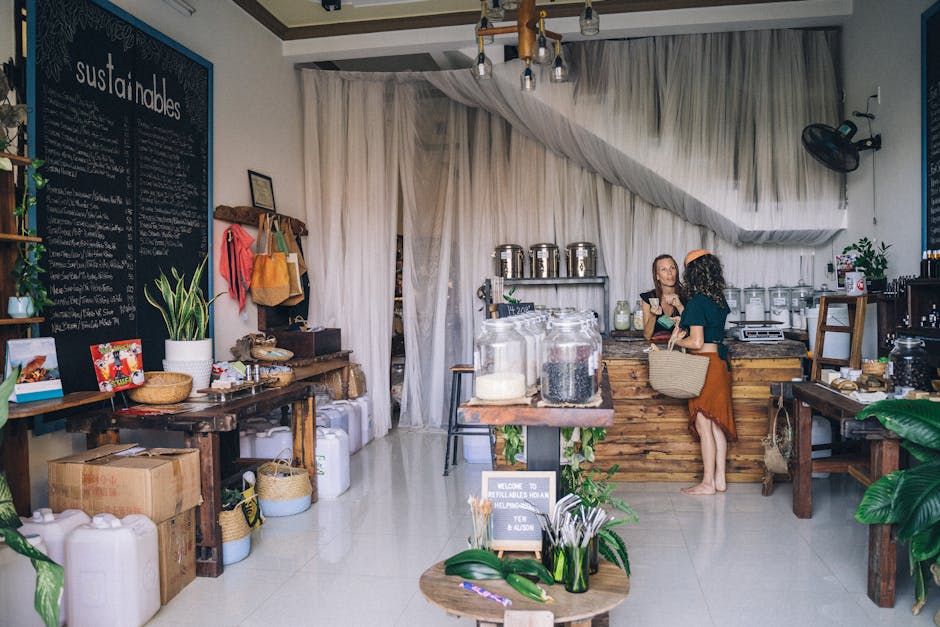
Choosing the Right Materials and Fixtures for Organic Store Displays
When it comes to creating effective organic store displays in Bangalore, choosing the right materials and fixtures is crucial. The materials you select can significantly impact the overall aesthetic, sustainability, and durability of your display. Let’s dive into the most common materials used for store displays: wood, metal, and glass.
Wood: A Timeless and Sustainable Option
Wood is a popular choice for store displays due to its natural, warm aesthetic. It’s also a sustainable option if sourced responsibly. Wooden displays can be made from various types of wood, such as oak, pine, or reclaimed wood, each offering a unique look and feel. However, wood requires regular maintenance to prevent damage and may be more expensive than other materials.
Metal: Durable and Versatile
Metal is another popular material for store displays, known for its durability and versatility. It can be used to create sleek, modern displays or more rustic, industrial looks. Metal is also easy to clean and maintain, making it a practical choice for high-traffic areas. However, it can be cold and uninviting if not paired with other materials.
Glass: Elegant and Sophisticated
Glass is often used in high-end store displays to create an elegant and sophisticated atmosphere. It’s perfect for showcasing delicate or premium products. Glass displays can be made from various types of glass, such as tempered glass or frosted glass, offering different visual effects. However, glass can be fragile and expensive to replace if damaged.
| Material | Sustainability | Durability | Cost-Effectiveness |
|---|---|---|---|
| Wood | High (if sourced responsibly) | Medium | Medium to High |
| Metal | Medium (depending on production process) | High | Medium |
| Glass | Low to Medium (depending on production process) | Low (fragile) | High (expensive to replace) |
Ultimately, the right material for your organic store displays in Bangalore will depend on your brand identity, product type, and target audience. By considering factors like sustainability, durability, and cost-effectiveness, you can create displays that not only showcase your products effectively but also align with your brand values.
- Consider the environmental impact of your materials and choose sustainable options whenever possible.
- Think about the durability of your displays and how they will withstand foot traffic and handling.
- Balance your material choices with your budget to ensure cost-effectiveness.
For more guidance on creating effective store displays, check out our guide on display cabinets Bangalore for expert advice on designing retail spaces that drive sales and customer engagement.
| Material/Fixture | Sustainability | Durability | Aesthetics | Cost-Effectiveness | Customization Options |
|---|---|---|---|---|---|
| Recycled Wood | High | Medium to High | Rustic, Natural | Medium | High |
| Bamboo | Very High | High | Modern, Elegant | Low to Medium | Medium |
| Glass | Medium | Very High | Sophisticated, Sleek | High | Low |
| Metal (Eco-Friendly) | High | Very High | Industrial, Contemporary | Medium to High | Medium |
This comparison table is designed to help readers understand the differences between various materials and fixtures that can be used for organic store displays in Bangalore, focusing on aspects such as sustainability, durability, aesthetics, cost-effectiveness, and customization options. The materials compared include recycled wood, bamboo, glass, and eco-friendly metal, each with its unique characteristics that might appeal to store owners looking to create an organic and sustainable display that aligns with their brand values.
The Importance of Scalability and Modularity in Organic Store Displays
The Benefits of Scalability and Modularity in Store Displays
When it comes to creating an effective store display, scalability and modularity are crucial elements to consider. A scalable display allows you to easily adapt to changing customer needs, seasonal fluctuations, and promotional campaigns. Modularity, on the other hand, enables you to mix and match different components to create a unique and engaging shopping experience. In this section, we’ll explore the importance of scalability and modularity in store displays and how they can benefit your business.
One of the primary advantages of scalable displays is that they can be easily reconfigured to accommodate different products, promotions, or events. This flexibility is particularly useful for retailers who need to respond quickly to changing market trends or customer demands. For instance, a clothing store can quickly switch from showcasing winter wear to summer collections by rearranging their display fixtures.
Modularity is also essential in creating an engaging shopping experience. By using modular components, retailers can create a visually appealing display that showcases their products in an attractive and easy-to-navigate way. Modular displays can be easily rearranged or reconfigured to keep the shopping experience fresh and exciting for customers. For example, a modular display can be used to create a “shop within a shop” experience, where customers can browse a curated selection of products in a dedicated area.
| Benefits of Scalability and Modularity | Description |
|---|---|
| Flexibility | Scalable displays allow retailers to quickly respond to changing market trends and customer demands. |
| Easy Reconfiguration | Modular displays can be easily rearranged to showcase different products or promotions. |
| Enhanced Customer Experience | Scalable and modular displays create an engaging shopping experience, making it more likely for customers to return. |
By incorporating scalability and modularity into your store display, you can create a more dynamic and engaging shopping experience that drives sales and customer loyalty. Whether you’re a retailer looking to revamp your store or a brand looking to create an immersive brand experience, considering scalability and modularity is crucial for success.
You can explore our other resources on store display ideas and visual merchandising to learn more about creating an effective and engaging store display.
Implementing and Maintaining Organic Store Displays: Tips and Best Practices
Implementing and maintaining effective organic store displays is crucial for creating an engaging and immersive customer experience. In Bangalore, where the retail landscape is constantly evolving, businesses need to stay ahead of the curve by incorporating visually appealing and well-designed displays that showcase their products. So, what makes a great organic store display?
Lighting: The Unsung Hero of Store Displays
Lighting can make or break the ambiance of your store. Proper lighting can highlight your products, create a warm and inviting atmosphere, and even influence customer behavior. For instance, using LED lights can help reduce energy consumption while creating a modern and sleek look. Consider using a combination of ambient, task, and accent lighting to create a layered lighting effect that draws customers in.
Signage: Communicating Your Brand’s Story
Signage is more than just a way to communicate information; it’s an opportunity to tell your brand’s story and create an emotional connection with customers. Use clear, concise language and eye-catching graphics to create signage that stands out. Consider using digital signage to create dynamic and engaging displays that can be easily updated.
Visual Merchandising: Creating an Immersive Experience
Visual merchandising is all about creating an immersive experience that draws customers in and encourages them to explore your products. Some effective visual merchandising strategies include:
- Creating a focal point that draws customers in
- Using storytelling techniques to create an emotional connection
- Grouping products in a way that creates a cohesive and visually appealing display
- Using props and fixtures to add texture and depth to your display
By incorporating these elements, you can create an organic store display that not only showcases your products but also tells your brand’s story. For more information on designing effective store displays, check out our guide on display cabinets Bangalore or learn about store furniture Bangalore solutions that can help you create a cohesive and engaging retail space.
| Display Element | Purpose | Tips for Implementation |
|---|---|---|
| Lighting | Create ambiance, highlight products | Use a combination of ambient, task, and accent lighting |
| Signage | Communicate information, tell brand story | Use clear language, eye-catching graphics, and digital signage |
| Visual Merchandising | Create immersive experience, encourage exploration | Use focal points, storytelling, product grouping, and props |
Conclusion
A well-designed retail display is crucial for capturing customers’ attention and driving sales. In this section, we will explore the key elements of creating an effective display that showcases products in an appealing and engaging way.
### Understanding Your Target Audience
Before designing a display, it’s essential to understand your target audience. Who are your customers? What are their needs and preferences? What motivates them to make a purchase? By understanding your audience, you can tailor your display to meet their needs and exceed their expectations.
### Key Principles of Effective Display Design
1. **Visual Merchandising**: The art of presenting products in a way that is visually appealing and engaging. This includes the use of color, texture, and lighting to create an attractive display.
2. **Product Placement**: Strategic placement of products to maximize visibility and appeal. This includes placing high-demand products at eye level and using mannequins or display stands to showcase key items.
3. **Signage and Graphics**: Clear and concise signage is crucial for communicating the value and benefits of your products. Use high-quality graphics and clear typography to make your message stand out.
### Best Practices for Creating an Effective Display
1. **Keep it Simple**: Avoid clutter and keep the display simple and uncluttered. Too many products or too much information can be overwhelming.
2. **Use Lighting Effectively**: Lighting can greatly enhance the display and draw attention to key products. Use spotlights, backlighting, or other lighting techniques to create a visually appealing display.
3. **Create a Focal Point**: Use a focal point, such as a large product or a statement piece, to draw customers in and create visual interest.
4. **Use Color and Texture**: Use color and texture to add depth and visual interest to the display. Consider using different materials, such as wood, metal, or glass, to add variety and tactility.
5. **Keep it Fresh**: Regularly update and refresh the display to keep it looking fresh and interesting. This can include changing the layout, adding new products, or incorporating seasonal themes.
By following these principles and best practices, you can create a display that effectively showcases your products and attracts customers. Remember to keep your target audience in mind and tailor your display to meet their needs and preferences.
### Common Mistakes to Avoid
1. **Clutter**: Avoid cluttering the display with too many products or too much information.
2. **Poor Lighting**: Ensure that the display is well-lit and that the lighting is flattering to the products.
3. **Lack of Cohesion**: Make sure the display has a clear and cohesive theme or message.
4. **Inconsistent Branding**: Ensure that the branding is consistent throughout the display.
By avoiding these common mistakes, you can create a display that is visually appealing, effective, and engaging.
### Conclusion
Creating an effective display requires careful consideration of several key elements, including visual merchandising, product placement, and lighting. By following the principles outlined above and avoiding common mistakes, you can create a display that showcases your products in the best possible way and attracts customers to your store.