Introduction
As a retailer, you’re likely no stranger to the challenges of implementing a new store or revamping an existing one. The process can be complex, time-consuming, and costly. One of the biggest hurdles is reducing implementation time for stores, which is crucial for getting your business up and running quickly. Efficient retail fitouts are essential for creating an engaging customer experience, showcasing your products effectively, and ultimately driving sales.
The Challenges of Retail Fitouts
Retailers often face numerous challenges when it comes to implementing their store designs. These can include:
- Delays in construction and installation
- Inaccurate measurements and design flaws
- Insufficient planning and project management
- Budget overruns and unexpected expenses
- Difficulty in sourcing materials and labor
These challenges can lead to prolonged implementation times, increased costs, and a less-than-optimal customer experience. So, how can you overcome these obstacles and reduce implementation time for your store? In this blog post, we’ll explore effective strategies for efficient retail fitouts, including modular designs, scalable store kits, and quick installation techniques.
For instance, our expertise in designing and implementing apparel store kits in Mumbai and other locations has shown us that with the right approach, retailers can significantly reduce their implementation time and get their stores up and running quickly. We’ll dive into the details of these strategies and provide you with practical insights to help you achieve your retail goals.
The Importance of Reducing Implementation Time
Reducing implementation time is crucial for retailers looking to stay ahead in the competitive market. By minimizing the time taken to set up a store, retailers can reap numerous benefits, including cost savings, increased customer satisfaction, and improved competitiveness. At Amitoje Shop Fittings, we’ve seen firsthand how efficient retail fitouts can make a significant difference in a retailer’s success.
Benefits of Reducing Implementation Time
So, what are the advantages of reducing implementation time? For starters, it helps retailers save on costs associated with prolonged setup periods, such as labor costs and rental fees. Additionally, a faster implementation time enables retailers to start generating revenue sooner, which can be a significant boost to their bottom line.
- Cost savings: Reduced labor costs, lower rental fees, and minimized losses due to delayed openings.
- Increased customer satisfaction: Retailers can open their doors to customers sooner, improving overall shopping experiences.
- Improved competitiveness: Retailers can respond quickly to market trends and consumer demands, staying ahead of the competition.
Shop fittings play a vital role in achieving these benefits. By designing and implementing scalable and innovative store kits, retailers can significantly reduce their implementation time. For instance, our apparel store kits in Mumbai are designed to be set up quickly and efficiently, minimizing downtime and getting retailers up and running in no time.
| Benefits | Description |
|---|---|
| Cost Savings | Reduced labor costs and lower rental fees due to faster setup |
| Increased Customer Satisfaction | Retailers can open their doors to customers sooner, improving overall shopping experiences |
| Improved Competitiveness | Retailers can respond quickly to market trends and consumer demands, staying ahead of the competition |
By understanding the importance of reducing implementation time and leveraging effective shop fittings solutions, retailers can gain a competitive edge in the market. Whether you’re looking to set up a new store or revamp an existing one, we can help you achieve your goals efficiently and effectively.
5 Proven Strategies for Efficient Retail Fitouts
Reducing implementation time for stores is crucial in today’s fast-paced retail environment. One of the key challenges retailers face is getting their stores up and running quickly without compromising on quality. At Amitoje Shop Fittings, we’ve identified five proven strategies that can help retailers achieve efficient retail fitouts.
Strategies for Efficient Retail Fitouts
Here are the five strategies that can make a significant difference in reducing implementation time:
- Modular Designs: Pre-designed and manufactured components that can be easily assembled on-site.
- Scalable Store Kits: Customizable kits that can be adapted to different store sizes and layouts.
- Quick Installation: Simple and fast installation processes that minimize downtime.
- Cost-Effective Solutions: Solutions that balance quality and cost, reducing overall expenditure.
- Minimal Site Work: Designs that require minimal on-site construction, reducing labor and time.
Let’s take a closer look at how these strategies can be applied in practice. For instance, modular designs can be used to create consistent branding across multiple stores. Our apparel store kits are designed to be modular, allowing for easy installation and flexibility in store layout.
| Strategy | Benefits |
|---|---|
| Modular Designs | Consistency, ease of installation, cost savings |
| Scalable Store Kits | Flexibility, adaptability, reduced waste |
| Quick Installation | Reduced downtime, faster time-to-market |
| Cost-Effective Solutions | Balanced quality and cost, reduced expenditure |
| Minimal Site Work | Reduced labor, minimized construction time |
By incorporating these strategies, retailers can significantly reduce implementation time for their stores. Whether you’re setting up a new store or refurbishing an existing one, our expertise in shop fittings can help. For example, our eyewear store kits in Lucknow are designed to be efficient, cost-effective, and visually appealing.
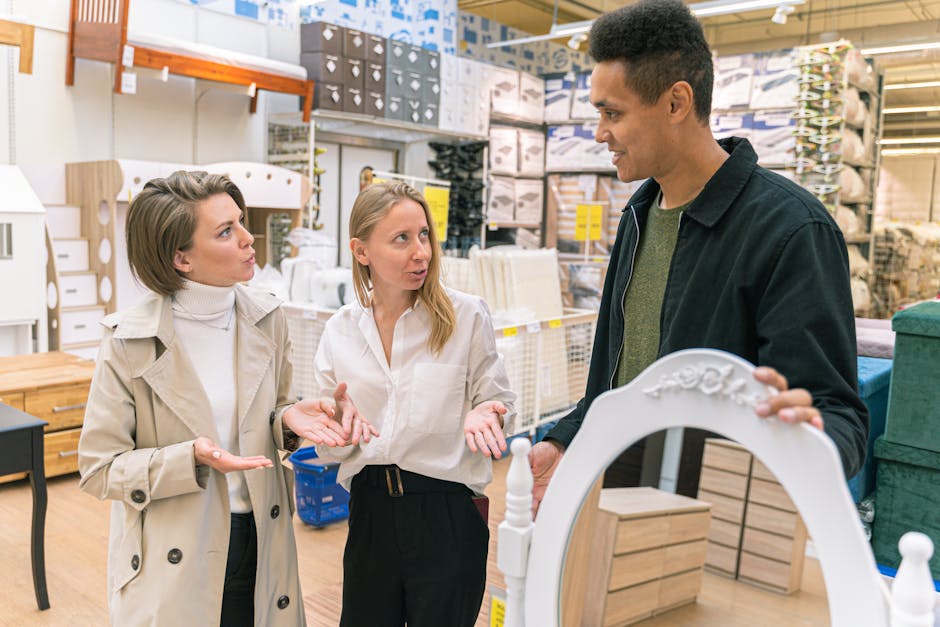
"A businessman in a modern retail store, with a construction site or renovation equipment in the background, representing the implementation process of a new store."
Section 1: Introduction
"A person looking at a building or retail store blueprint, with a thoughtful or stressed expression, symbolizing the complexities of store implementation."
Section 2: Strategy 1 – Plan Ahead
"A retail store designer or architect working on a computer, with a calendar or timeline visible in the background, highlighting the importance of planning in reducing implementation time."
Section 3: Strategy 2 – Optimize Your Space
"A store manager or owner standing in a retail space, looking at a layout or floor plan, with a marker or pen in hand, representing the process of
Modular Designs for Efficient Retail Fitouts
Modular designs have become a staple in efficient retail fitouts, and for good reason. By breaking down a retail space into standardized, interchangeable components, businesses can significantly reduce implementation time for stores. This approach not only streamlines the setup process but also ensures consistency across multiple locations.
Benefits of Modular Designs
The advantages of modular designs are numerous. For one, they enable retailers to maintain a uniform brand image across different stores. This consistency is crucial for building brand recognition and customer trust. Additionally, modular designs simplify the installation process, as the pre-fabricated components can be quickly assembled on-site.
- Ease of installation and disassembly
- Consistency across multiple store locations
- Reduced labor costs due to simplified assembly
- Flexibility to adapt to changing store layouts or designs
For instance, a retailer looking to expand their eyewear business could utilize modular designs for their eyewear store kits in various cities. Similarly, an apparel brand could benefit from apparel store kits that are designed to be easily installed and reconfigured as needed.
Practical Applications of Modular Designs
Modular designs can be applied in various aspects of retail fitouts, from display fixtures to shelving units. By standardizing these components, retailers can reduce the time and effort required for installation, thereby minimizing downtime and getting their stores up and running quickly.
| Modular Design Element | Benefits | Example Applications |
|---|---|---|
| Standardized display fixtures | Ease of installation, consistency across stores | Eyewear displays, apparel racks |
| Interchangeable shelving units | Flexibility, reduced labor costs | Retail shelving, storage solutions |
| Modular wall panels | Easy to install and reconfigure | Store partitions, display walls |
By embracing modular designs, retailers can create efficient, scalable, and cost-effective retail fitouts that meet their evolving business needs. Whether you’re looking to expand your store footprint or simply refresh your existing space, modular designs can help you achieve your goals quickly and effectively.
| Design Approach | Modular Design | Traditional Design |
|---|---|---|
| Implementation Time | Reduced (typically 2-4 weeks) | Longer (typically 8-12 weeks) |
| Cost Efficiency | More cost-effective due to reduced labor and material waste | Less cost-effective due to higher labor and material costs |
| Flexibility and Scalability | Highly flexible and scalable, allowing for easy reconfiguration and expansion | Less flexible and scalable, requiring significant renovations for changes |
| Quality and Consistency | High-quality and consistent finishes, with reduced risk of errors and defects | Varying quality and consistency, with higher risk of errors and defects |
| Sustainability | More sustainable due to reduced waste, energy-efficient materials, and recyclable components | Less sustainable due to higher waste, energy-intensive materials, and non-recyclable components |
This comparison table highlights the key differences between modular design and traditional design approaches for retail fitouts, with a focus on implementation time, cost efficiency, flexibility, quality, and sustainability. The table provides a clear and concise overview of the benefits and drawbacks of each approach, helping readers make informed decisions when searching for ways to reduce implementation time for stores.
Implementing Scalable Store Kits for Reduced Implementation Time
Implementing scalable store kits is a highly effective way to reduce implementation time for stores. By designing and installing kits that are modular and adaptable, retailers can quickly set up their stores without compromising on quality or aesthetics. So, how do you get started with scalable store kits?
Designing Scalable Store Kits
To design scalable store kits, you need to consider several factors, including the type of products you’ll be selling, the size and layout of your store, and your brand’s visual identity. Here are some key considerations:
- Modular components: Use modular components that can be easily assembled and rearranged to accommodate different store layouts and sizes.
- Standardized materials: Use standardized materials and finishes to ensure consistency across all your stores.
- Flexibility: Design your kits to be flexible and adaptable to different store configurations and product displays.
For example, if you’re setting up an apparel store, you might design a kit that includes modular shelving units, display tables, and hanging racks that can be easily rearranged to accommodate different product lines and promotions. Similarly, an eyewear store might use a kit that includes display cases and shelving units specifically designed to showcase eyewear products.
Installing Scalable Store Kits
Once you’ve designed your scalable store kits, the next step is to install them. Here are some tips to ensure a smooth installation process:
| Installation Tip | Description |
|---|---|
| Plan ahead | Carefully plan the installation process to minimize downtime and ensure that all necessary materials and labor are available. |
| Train your staff | Train your staff on the installation process to ensure that they can assemble and install the kits quickly and correctly. |
| Test and iterate | Test your kits during the installation process and make any necessary adjustments to ensure a smooth and efficient setup. |
By following these tips and designing scalable store kits that are modular, flexible, and easy to install, you can significantly reduce implementation time for your stores. This allows you to get up and running quickly, minimize downtime, and focus on what matters most – providing an exceptional customer experience.
Conclusion
Reducing implementation time for stores is crucial in today’s fast-paced retail environment. By implementing the right strategies, retailers can minimize downtime, reduce costs, and get back to business quickly. Earlier we covered the importance of efficient retail fitouts and the benefits of reducing implementation time. You’ve seen how modular designs and scalable store kits can make a significant difference in streamlining the implementation process.
Key Takeaways for Efficient Retail Fitouts
To recap, here are the key strategies for reducing implementation time:
- Modular designs for consistency and ease of installation
- Scalable store kits for flexibility and cost-effectiveness
- Quick installation techniques to minimize site work
- Cost-effective solutions to reduce overall costs
- Minimal site work to avoid delays and disruptions
By incorporating these strategies, retailers can significantly reduce implementation time and get their stores up and running quickly. For instance, using apparel store kits or eyewear store kits can simplify the implementation process and reduce costs.
Working with a professional shop fittings company like Amitoje Shop Fittings can also make a big difference. Their expertise in designing and implementing retail fitouts can help retailers achieve their goals quickly and efficiently. With the right partner, retailers can focus on what matters most – growing their business and delivering an exceptional customer experience.