Introduction to Effective Home Decor Store Design
Creating an effective home decor store design is crucial for attracting customers and driving sales. A well-designed store can make a significant difference in how customers perceive your brand and products. It’s not just about aesthetics; a good design can enhance the shopping experience, making it more enjoyable and engaging for customers.
The Impact of Store Design on Customer Experience
The layout, lighting, and visual merchandising of your store all play a critical role in creating an immersive experience. For instance, a cluttered or poorly lit store can deter customers, while a well-organized and brightly lit one can encourage them to explore and make purchases. Your store’s design should reflect your brand’s identity and values, creating a cohesive and inviting atmosphere.
- Improves brand perception
- Enhances customer engagement
- Increases sales potential
In this guide, we’ll explore the key elements of home decor store design and provide actionable strategies for creating a compelling and effective store layout. Whether you’re setting up a new store or revamping an existing one, our expert insights will help you create a space that showcases your products and delights your customers.
For more information on specific aspects of store design, such as choosing the right store furniture Delhi or designing effective display cabinets, check out our related guides. These resources will provide you with the knowledge and inspiration you need to create a beautiful and functional home decor store.
Key Elements of Home Decor Store Design
When it comes to creating an immersive shopping experience, the design of a home decor store plays a crucial role. A well-designed store can make all the difference in attracting customers and driving sales. So, what makes a home decor store design effective?
Laying the Foundation: Store Layout
The layout of your home decor store is the backbone of your overall design. It’s essential to create a flow that guides customers through the store, showcasing your products in an appealing way. A good layout should balance traffic flow with display space, ensuring that customers can easily navigate the store while being exposed to your products.
- Clearly define different sections or zones within the store
- Use pathways and corridors to guide customers through the space
- Balance product density with empty space to avoid overwhelming customers
For instance, you can create a focal point in the store, such as a beautifully designed display cabinet in Delhi or a stunning room setup, to draw customers in and encourage them to explore further.
Lighting: Setting the Mood
Lighting can make or break the ambiance of your home decor store. The right lighting can highlight your products, create a welcoming atmosphere, and even influence customers’ moods. Consider using a mix of lighting types, such as ambient, task, and accent lighting, to create a layered effect.
- Use warm lighting to create a cozy atmosphere
- Highlight specific products or displays with accent lighting
- Ensure that the lighting is sufficient for customers to view products clearly
Visual Merchandising: Telling a Story
Visual merchandising is all about creating an engaging narrative through your store’s displays and product arrangements. It’s an opportunity to showcase your brand’s personality and style while making your products appealing to customers. Effective visual merchandising can help to create an immersive experience, encouraging customers to linger and explore.
For brands with multiple locations, consistency is key. Ensuring that your home decor store design is consistent across all stores helps to reinforce your brand identity and creates a seamless customer experience, regardless of location.
| Design Element | Purpose | Tips for Implementation |
|---|---|---|
| Store Layout | Guides customers through the store | Balance traffic flow with display space |
| Lighting | Sets the mood and highlights products | Use a mix of ambient, task, and accent lighting |
| Visual Merchandising | Tells a story and showcases products | Create an immersive narrative through displays and product arrangements |
By focusing on these key elements of home decor store design, you can create an engaging and immersive shopping experience that drives sales and reinforces your brand identity.
The Benefits of Modular Designs in Home Decor Store Fittings
Modular designs have become a cornerstone in effective home decor store design, offering numerous benefits for retailers looking to create a consistent and engaging customer experience across multiple locations. One of the primary advantages of modular designs is their ability to ensure consistency in branding and customer experience. By using standardized components, retailers can maintain a uniform look and feel across all their stores, reinforcing their brand identity.
Key Benefits of Modular Designs
- Reduced Installation Time: Modular designs are pre-fabricated and can be easily assembled on-site, significantly reducing the time required for installation. This means less downtime for your store and a quicker return to business as usual.
- Cost-Effective Solutions: By standardizing components, retailers can benefit from economies of scale in manufacturing and procurement, leading to cost savings. Additionally, modular designs can be easily reconfigured or expanded as needed, reducing the need for costly renovations.
- Scalability: Modular designs can be easily scaled up or down to accommodate different store sizes and layouts, making them ideal for retailers with multiple locations or those looking to expand their operations.
For instance, a retailer looking to expand their operations to a new city can rely on modular designs to quickly set up a new store. They can use the same standardized components used in their existing stores, ensuring a consistent customer experience while minimizing the time and cost associated with designing and installing new store fittings.
Scalable Store Kits: A Practical Solution
Scalable store kits are a practical manifestation of modular design principles. These kits are designed to be easily set up and expanded to multiple locations, providing retailers with a flexible and efficient solution for their store fittings needs. By using scalable store kits, retailers can:
| Benefit | Description |
|---|---|
| Consistency | Maintain a uniform brand image across all locations |
| Flexibility | Easily reconfigure or expand store layouts as needed |
| Cost Savings | Benefit from economies of scale in manufacturing and procurement |
To learn more about creating effective display solutions for your home decor store, check out our guides on display cabinets Delhi and store furniture Mumbai. These resources provide valuable insights into designing and implementing a compelling store design that drives sales and enhances customer experience.
| Design Type | Customization Options | Space Efficiency | Cost-Effectiveness | Scalability | Aesthetics |
|---|---|---|---|---|---|
| Modular Designs | Highly customizable to fit brand identity | Optimized for maximum space usage | Cost-effective due to reusable components | Easily scalable for expanding or reconfiguring stores | Modern and sleek appearance |
| Traditional Fixed Designs | Limited customization options | Often results in wasted space | Higher upfront costs and less flexible | Difficult and costly to scale or reconfigure | Can appear outdated or less engaging |
| Hybrid Designs | Balances standard and custom elements | Improves space usage but may have limitations | Moderate costs with some flexibility | Offers some scalability but with more complexity | Blends modern and traditional aesthetics |
This comparison table is designed to highlight the benefits of modular designs in home decor store fittings, focusing on key aspects such as customization, space efficiency, cost-effectiveness, scalability, and aesthetics. By comparing modular designs with traditional fixed designs and hybrid designs, readers can understand the advantages and disadvantages of each approach, making informed decisions for their home decor store design needs. Visit Amito Jes Shop Fittings for more insights and solutions on optimizing your store’s design.
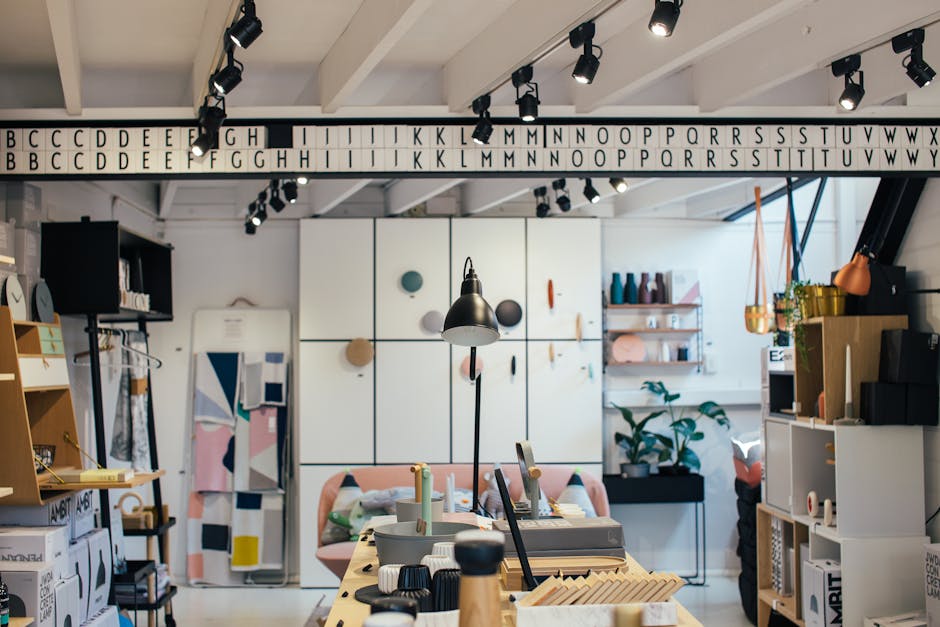
A Practical Guide to Designing and Implementing Your Home Decor Store
Designing and implementing an effective home decor store requires careful planning and execution. To create an engaging shopping experience, you’ll need to focus on several key elements, from choosing the right shop fittings to implementing visual merchandising strategies.
Step 1: Plan Your Store Layout
Before you start selecting fixtures and displays, it’s essential to plan your store layout. Consider the flow of customer traffic, the placement of products, and the overall aesthetic you want to achieve. A well-designed layout will help guide customers through the store and encourage them to explore different areas.
Step 2: Choose the Right Shop Fittings
Selecting the right shop fittings is crucial for creating an attractive and functional store. Consider the type of products you’re selling and the style you’re aiming for. For example, if you’re selling modern home decor, you may want to opt for sleek and minimalist display cabinets. Check out our guide on display cabinets Delhi for expert guidance on choosing the perfect fixtures.
Step 3: Implement Visual Merchandising Strategies
Visual merchandising is a critical aspect of home decor store design. It involves creating an attractive and engaging display of products that showcases your brand’s style and aesthetic. Some effective visual merchandising strategies include:
- Creating focal points with statement pieces or displays
- Using lighting to highlight products and create ambiance
- Grouping similar products together to create a cohesive look
- Using mannequins or display fixtures to showcase products in a lifestyle setting
The Importance of Quick Installation
When implementing your home decor store design, it’s essential to consider the installation process. Quick installation is crucial to minimize store downtime and ensure that your store is up and running as soon as possible. This is where modular designs can make a significant difference, as they can be easily and quickly assembled on-site.
| Benefits of Modular Designs | Traditional Designs |
|---|---|
| Quick and easy installation | Longer installation time |
| Scalable and flexible | Limited flexibility |
| Cost-effective | Higher costs due to custom fabrication |
By following these steps and considering the benefits of modular designs, you can create an effective home decor store that showcases your products and provides an engaging shopping experience for your customers.
Comparing Shop Fitting Strategies for Home Decor Stores
Choosing the Right Shop Fitting Strategy for Your Home Decor Store
When it comes to designing a home decor store, one of the most critical decisions you’ll make is choosing the right shop fitting strategy. Two popular approaches are custom and modular designs. Both have their pros and cons, which we’ll explore in this section.
Custom designs offer a unique and tailored approach to your store’s layout and fixtures. They can be designed to perfectly match your brand’s aesthetic and product offerings. However, they can be more expensive and time-consuming to implement. On the other hand, modular designs provide a flexible and scalable solution that can be easily adapted to different store sizes and layouts.
Key Considerations for Custom vs. Modular Designs
Let’s dive into the key factors to consider when deciding between custom and modular designs for your home decor store.
- Cost: Custom designs are typically more expensive than modular designs, especially for complex or bespoke fixtures.
- Consistency: Modular designs ensure consistency across multiple store locations, making it easier to maintain a cohesive brand image.
- Scalability: Modular designs are highly scalable, allowing you to easily expand or modify your store layout as needed.
- Installation Time: Modular designs are generally quicker to install than custom designs, reducing downtime and minimizing disruptions to your business.
| Feature | Custom Design | Modular Design |
|---|---|---|
| Cost | Higher | Lower |
| Consistency | Variable | High |
| Scalability | Limited | High |
| Installation Time | Longer | Shorter |
For more information on designing effective display solutions, check out our guides on display cabinets Delhi and store furniture Mumbai. These resources provide valuable insights into creating engaging retail spaces that drive sales and customer satisfaction.
By weighing the pros and cons of custom and modular designs, you can make an informed decision that meets your home decor store’s unique needs and goals.
| Shop Fitting Strategy | Description | Cost-Effectiveness | Customization Options | Space Efficiency | Customer Experience |
|---|---|---|---|---|---|
| Modular Shop Fitting | Pre-designed, interchangeable modules for easy installation and reconfiguration | High | Medium | High | Modern and sleek, enhancing customer engagement |
| Custom Shop Fitting | Tailored designs and installations to meet specific store requirements | Low | High | Medium | Unique and immersive, fostering strong brand identity |
| Semi-Modular Shop Fitting | Combination of pre-designed modules and custom elements for flexibility | Medium | High | High | Balances modernity and uniqueness, enhancing customer experience |
| Traditional Shop Fitting | Conventional, bespoke designs and installations with a focus on durability | Low | Low | Low | Classic and timeless, but may lack modern appeal |
This comparison table provides readers with a clear and concise overview of different shop fitting strategies for home decor stores, highlighting their key characteristics, advantages, and disadvantages. The criteria used for comparison – description, cost-effectiveness, customization options, space efficiency, and customer experience – are relevant and meaningful for readers searching for information on home decor store design.
Overcoming Common Challenges in Home Decor Store Design
Designing a home decor store can be a complex task, and store owners often face several challenges during the process. One common issue is ensuring that the store’s layout and display effectively showcase their products while creating an inviting atmosphere for customers. To overcome this, it’s essential to strike a balance between aesthetics and functionality.
Common Challenges in Home Decor Store Design
Some of the common challenges faced by home decor store owners include:
- Creating a visually appealing display that highlights products without overwhelming customers
- Managing the store’s layout to maximize space and improve customer flow
- Selecting the right shop fittings and display cabinets that align with the brand’s image
- Ensuring that the store’s design is consistent across multiple locations
To address these challenges, working with a professional shop fittings company can be highly beneficial. They can provide expert guidance on designing an effective store layout, selecting the right display solutions, and implementing a consistent brand image across all locations.
Benefits of Working with a Professional Shop Fittings Company
A professional shop fittings company like Amitoje Shop Fittings can help home decor store owners overcome common design challenges. They offer a range of benefits, including:
| Benefits | Description |
|---|---|
| Expert Guidance | Professional advice on designing an effective store layout and selecting the right display solutions |
| Customized Solutions | Tailored shop fittings and display cabinets that align with the brand’s image and requirements |
| Consistency Across Locations | Ensuring a consistent brand image and store design across multiple locations |
| Quality and Timely Implementation | High-quality shop fittings and timely implementation to minimize store downtime |
For instance, if you’re looking to create an effective display in cities like Delhi or Bangalore, you can explore options for display cabinets Delhi or display cabinets Bangalore that cater to your specific needs. By working with a professional shop fittings company, you can create a well-designed home decor store that attracts customers and drives sales.
Conclusion: Enhancing Your Home Decor Store with Effective Design
As we’ve navigated through the various aspects of creating an impactful home decor store design, it’s clear that a well-thought-out strategy can significantly enhance customer experience and drive sales. Effective design isn’t just about aesthetics; it’s about creating an immersive environment that showcases your products in the best possible light. By incorporating key elements such as layout, lighting, and visual merchandising, you can create a compelling store experience that resonates with your target audience.
Key Takeaways for Enhancing Your Home Decor Store
To recap, here are the essential strategies for enhancing your home decor store design:
- Focus on creating a cohesive and inviting store layout that encourages exploration.
- Utilize modular designs for consistency and scalability across multiple locations.
- Implement effective visual merchandising strategies to highlight your products.
- Consider the benefits of professional shop fittings solutions to streamline your store setup.
By implementing these strategies, you can create a home decor store that not only attracts customers but also keeps them engaged. For instance, incorporating display cabinets can significantly enhance the visual appeal of your store. Similarly, selecting the right store furniture can contribute to a more inviting and functional retail space.
Now that you’ve gained insights into the importance of effective home decor store design, it’s time to assess your current store strategy. Consider how professional shop fittings solutions can help you achieve your goals. At Amitoje Shop Fittings, we’ve helped numerous brands transform their retail spaces into engaging and immersive environments. By leveraging our expertise, you can create a home decor store that stands out in a competitive market and drives sales.