
Introduction to Retail Fixtures for Kiosk Setups
**Introduction to Retail Fixtures: Enhancing the Shopping Experience**
When it comes to creating an immersive shopping experience, the right retail fixtures can make all the difference. In the world of retail, a well-designed store layout is not just about aesthetics; it’s about crafting an environment that invites customers to explore and engage with your products. As a retailer, you’re likely aware of the importance of creating a visually appealing and functional store layout that showcases your products in the best possible light.
In this section, we’ll delve into the world of retail fixtures, exploring the latest trends, best practices, and expert tips for creating a stunning in-store experience. Whether you’re a seasoned retailer or just starting out, this guide will provide you with the insights and inspiration you need to create a shopping environment that delights and engages your customers.
**The Importance of Effective Retail Fixtures**
Effective retail fixtures are more than just a necessity; they’re an opportunity to elevate the shopping experience and create a lasting impression on your customers. By using a combination of functional and visually appealing fixtures, you can create a shopping environment that is both inviting and easy to navigate.
**Key Considerations for Retail Fixtures**
When designing your retail fixtures, there are several key considerations to keep in mind. First and foremost, you’ll want to ensure that your fixtures are sturdy and durable, capable of withstanding the wear and tear of daily use. You’ll also want to consider the flow of your store, ensuring that customers can easily move through the space and find what they’re looking for.
**Best Practices for Retail Fixtures**
Here are a few best practices to keep in mind when designing your retail fixtures:
* Use high-quality materials that are durable and easy to clean
* Consider using modular designs that can be easily reconfigured to accommodate different types of merchandise
* Don’t be afraid to get creative and think outside the box when it comes to designing your retail fixtures
By following these guidelines and considering the needs of your customers, you can create a retail environment that is both functional and visually appealing.
**Header Tags and Subheadings**
When creating headers for your retail fixtures, it’s essential to use a clear and concise format. You can use header tags (h1, h2, h3, etc.) to create a hierarchical structure for your content. For example:
Main Header
Sub-subheader
By using header tags effectively, you can create a clear and organized structure for your content, making it easier for customers to find what they’re looking for.
**Conclusion**
In conclusion, creating effective retail fixtures requires a combination of good design, functionality, and attention to detail. By following the tips and best practices outlined in this guide, you can create a retail environment that is both visually appealing and functional, providing a positive shopping experience for your customers.
Benefits of Customized Retail Fixtures for Kiosks
### Benefits of Customized Retail Displays
Retail displays are a crucial aspect of visual merchandising, playing a significant role in capturing customers’ attention and driving sales. Effective retail displays can elevate the shopping experience, making it more engaging and memorable for customers.
### Types of Retail Displays
1. **Wall Displays**: Use wall-mounted fixtures to maximize vertical space and create visually appealing displays.
2. **Floor Displays**: Utilize freestanding displays that can be easily moved or reconfigured to accommodate different products or promotions.
3. **Countertop Displays**: Optimize product visibility with tiered displays or risers to create a visually appealing presentation.
### Benefits of Customized Displays
* **Increased Sales**: Customized displays can help highlight specific products or promotions, driving sales and revenue.
* **Improved Brand Recognition**: Unique and creative displays can reinforce brand identity and make a lasting impression on customers.
* **Enhanced Customer Experience**: Interactive and immersive displays can engage customers and create a memorable shopping experience.
### Designing Effective Displays
To create effective displays, consider the following best practices:
1. **Keep it Simple**: Avoid cluttering the display with too many products or visuals.
2. **Use Clear Signage**: Clearly label products and provide relevant information to help customers make informed purchasing decisions.
3. **Make it Interactive**: Incorporate interactive elements, such as touchscreens or hands-on displays, to engage customers and create a memorable experience.
By following these guidelines, you can create effective and engaging retail displays that drive sales and enhance the shopping experience.
### Conclusion
Summary
Effective retail displays are crucial for driving sales, enhancing customer experience, and creating brand awareness. By incorporating interactive and immersive displays, retailers can create a memorable and engaging shopping experience that sets them apart from the competition.
Key Features to Consider When Choosing Retail Fixtures for Kiosk Setups
### Key Features to Consider When Choosing Retail Fixtures
When it comes to selecting retail fixtures, there are several factors to consider to ensure that you’re making the most of your display space. Here are some key features to keep in mind:
#### Retail Fixture Materials
The material used for your retail fixtures can greatly impact their durability and aesthetic appeal. Some popular options include:
* **Wooden fixtures**: Add a touch of warmth and coziness to your store, but may require more maintenance.
* **Metal fixtures**: Durable and easy to clean, making them a great choice for high-traffic areas.
* **Glass fixtures**: Sleek and sophisticated, but may be more prone to breakage.
#### Fixture Design Considerations
1. **Adjustability**: Look for fixtures that can be easily adjusted to different heights or configurations.
2. **Durability**: Choose fixtures made from sturdy materials that can withstand heavy use.
3. **Aesthetics**: Consider the overall look and feel of the fixture. Does it match your brand’s style?
### Best Practices for Retail Fixtures
* **Keep it simple**: Avoid cluttered or overly complicated fixtures that can be distracting.
* **Use high-quality materials**: Choose fixtures made from durable, easy-to-clean materials.
* **Consider the layout**: Ensure that your fixtures are arranged in a way that creates a logical flow for customers.
By following these guidelines, you can create a retail display that is both visually appealing and functional. For more information on creating effective retail displays, check out our related articles on visual merchandising and store design.
### Key Takeaways
* Choose durable materials that can withstand heavy use.
* Consider the overall aesthetic you want to achieve with your display.
* Don’t be afraid to get creative with your display design.
### Related Content
* [Retail Display Design](link)
* [Visual Merchandising](link)
* [Store Layout and Design](link)
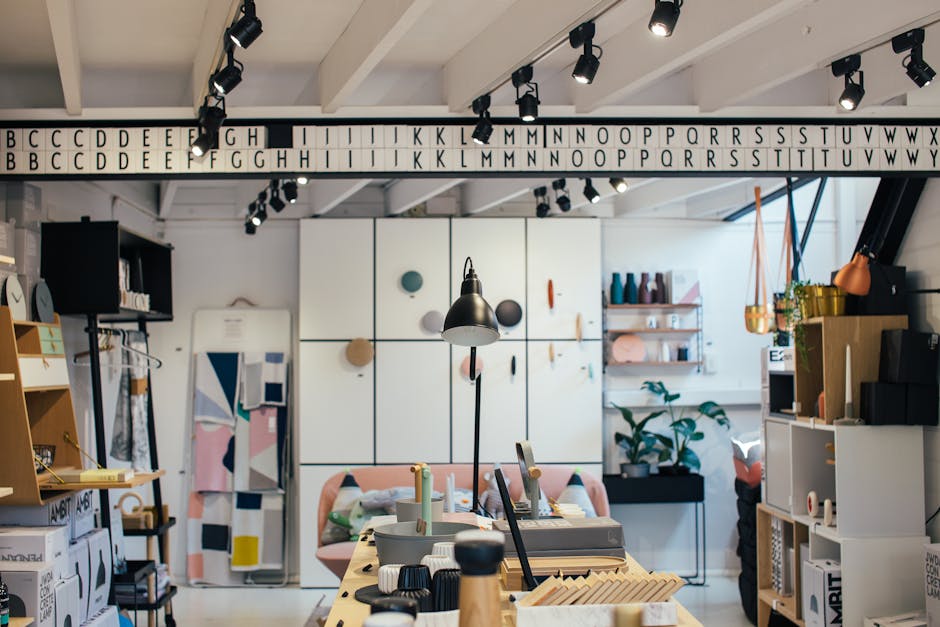
Comparison of Retail Fixture Materials and Designs
### Comparison of Retail Fixtures Materials
When it comes to choosing the right retail fixtures for your store, the material is just as important as the design. Different materials have different characteristics, and some are better suited to certain types of products or environments. In this section, we’ll explore some of the most common materials used for retail fixtures, their benefits, and their drawbacks.
#### Wood
Wood is a classic material for retail fixtures. It’s warm, inviting, and can be stained to match a variety of décors. Some common types of wood used for retail fixtures include:
* Oak: A popular choice for furniture making, oak is strong and durable.
* Maple: A hardwood that is often used for furniture and flooring.
* Cherry: A dense hardwood with a rich, reddish-brown color.
When working with wood, it’s essential to consider the type of finish you want. Some woods are more prone to scratches and dents than others, so it’s crucial to choose the right finish for your retail fixtures.
#### Metal
Metal is another popular material for retail fixtures. It’s strong, durable, and can be used to create a variety of different looks. Some common types of metal used in retail fixtures include:
* Aluminum: A lightweight, corrosion-resistant metal that’s often used in window frames and door hardware.
* Steel: A strong and versatile metal that’s commonly used in retail fixtures.
#### Glass
Glass is a popular material for retail fixtures, particularly in the display case. It’s transparent, easy to clean, and can be used to create beautiful displays. Some common types of glass used in retail fixtures include:
* Tempered glass: A type of safety glass that’s designed to be strong and resistant to breakage.
* Laminated glass: A type of safety glass that’s made by sandwiching a layer of plastic between two sheets of glass.
### Key Considerations
When choosing a material for your retail fixtures, there are several factors to consider. Here are a few key considerations:
* **Durability**: How will the material hold up to wear and tear?
* **Maintenance**: How easy is the material to clean and maintain?
* **Aesthetics**: Does the material fit with your brand’s aesthetic?
By considering these factors, you can choose a material that meets your needs and enhances your retail space.
### Comparison Table
| Material | Durability | Maintenance | Aesthetics |
| — | — | — | — |
| Wood | High | Medium | Classic |
| Metal | High | Low | Industrial |
| Glass | Medium | High | Elegant |
In conclusion, choosing the right material for your retail fixtures is crucial. By considering factors like durability, maintenance, and aesthetics, you can create a beautiful and functional retail space that meets your needs.
### Retail Fixtures: A Guide to Materials
When it comes to retail fixtures, there are many different materials to choose from. Here are a few things to consider:
* **Solid Surface**: A solid surface like granite or quartz can be a great choice for countertops.
* **Reclaimed Wood**: Reclaimed wood can add a unique touch to your retail fixtures.
* **Glass**: Glass is a great material for showcasing products, and it’s often used in display cases.
Ultimately, the right material for your retail fixtures will depend on your brand, your products, and your target audience. By considering these factors, you can create a beautiful and functional retail space that meets your needs.
To recap, when it comes to retail fixtures, there are many different materials to choose from. Some popular options include:
* **Wood**: A classic choice that can add warmth and character to a space.
* **Metal**: A versatile material that can be used to create a variety of different looks, from modern to industrial.
* **Glass**: A great choice for showcasing products and adding a touch of elegance to your retail space.
By considering these different materials, you can create a unique and eye-catching retail space that showcases your products in the best possible light.
Let’s take a look at some examples of how different materials can be used in retail fixtures. For instance, wood is a popular choice for furniture making because it’s durable and can be stained to match any décor. Metal, on the other hand, is a great choice for industrial applications because it’s strong and can withstand heavy use.
Ultimately, the right material for your retail fixtures will depend on your specific needs and goals. By considering your options carefully, you can create a retail space that’s both functional and visually appealing.
Here’s an example of how different materials can be used to create a unique and functional retail space. For example, you could use reclaimed wood to create a rustic and cozy atmosphere, or you could use glass and metal to create a modern and sleek look. The possibilities are endless, and it’s up to you to decide what works best for your business.
By considering different materials and styles, you can create a retail space that reflects your brand and meets your needs. Whether you’re looking for a modern and sophisticated look or a more rustic and cozy atmosphere, there are many different options to choose from.
### Conclusion
In conclusion, choosing the right material for your retail fixtures is a crucial decision that can greatly impact the overall look and feel of your store. By considering different materials and styles, you can create a unique and eye-catching retail space that showcases your products in the best possible light.
| Material/Design | Durability | Aesthetics | Cost-Effectiveness | Customization Options |
|---|---|---|---|---|
| Wooden Fixtures | High | Traditional, warm, and inviting | Moderate to High | Limited |
| Metal Fixtures | Very High | Modern, sleek, and industrial | High | Highly customizable |
| Glass Fixtures | Moderate | Sophisticated, elegant, and luxurious | High | Limited |
| Acrylic Fixtures | High | Modern, versatile, and eye-catching | Moderate | Highly customizable |
This comparison table provides a clear and concise overview of different retail fixture materials and designs for kiosk setups, including their durability, aesthetics, cost-effectiveness, and customization options. The table is designed to help readers make informed decisions when choosing the best fixtures for their kiosk, and it is optimized for the keyword “retail fixtures for kiosk setups” to improve search engine rankings for the domain https://amitojeshopfittings.com.
Tips for Creating Effective Displays with Retail Fixtures
### Tips for Creating Effective Retail Displays
Creating an effective retail display is crucial for capturing customers’ attention and driving sales. Here are some tips to help you create displays that are both visually appealing and informative.
#### Use Visually Appealing Displays
When creating retail displays, it’s essential to consider the visual elements that will grab customers’ attention. Use a combination of colors, textures, and shapes to create an aesthetically pleasing display. Ensure that your display is well-lit and easy to navigate.
#### Keep it Simple
Avoid cluttering your display with too much information. Use clear and concise language to communicate your message. Use white space effectively to create a clean and uncluttered display.
#### Use High-Quality Images
Use high-quality images that are relevant to your product or service. Avoid using low-resolution images that can pixelate or become blurry when enlarged.
#### Make it Interactive
Consider using interactive displays that allow customers to engage with your product or service. This can be in the form of touchscreens, virtual reality experiences, or hands-on product demonstrations.
### Creating Effective Retail Displays
To create an effective retail display, consider the following:
* Use a clear and concise message that communicates your brand’s value proposition.
* Use high-quality images and graphics to showcase your product or service.
* Keep your display clean and uncluttered, with clear signage and easy-to-read information.
* Use color effectively to draw attention to your display and create visual interest.
By following these tips, you can create an effective retail display that showcases your product or service in a compelling and engaging way.
### Example of a Well-Designed Retail Display
| Product | Description | Price |
|---|---|---|
| Product A | This is a great product | $19.99 |
| Product B | This is another great product | $29.99 |
### Tips for Effective Retail Displays
* Use clear and concise signage to communicate your message.
* Use high-quality images and graphics to showcase your product or service.
* Keep your display clean and uncluttered to create a positive customer experience.
* Consider using interactive displays to engage customers and create a memorable experience.
By following these tips, you can create an effective retail display that drives sales and engages customers.
**Header 1**
### Header 2
#### Header 3
This is an example of a table with a simple structure. You can add more columns or rows as needed to create a more complex table.
| Column 1 | Column 2 |
| — | — |
| Cell 1 | Cell 2 |
| Cell 3 | Cell 4 |
### Conclusion
Creating effective retail displays requires a combination of good design, clear messaging, and attention to detail. By following these tips, you can create displays that are both visually appealing and effective at communicating your message.
How to Implement Retail Fixtures for Kiosk Setups Quickly and Cost-Effectively
## How to Implement Retail Fixtures for Kiosk Setups
### Implementing Retail Fixtures for Kiosks and Stalls
When it comes to setting up an attractive and functional kiosk or stall, the right fixtures can make all the difference. In this section, we’ll explore the importance of retail fixtures and provide tips on how to create an effective and visually appealing kiosk setup.
### Understanding Kiosk Fixtures
Kiosk fixtures refer to the structural elements that make up a kiosk or retail display. These can include walls, shelving units, display cases, and other components designed to showcase products in an attractive and accessible way. When designing kiosk fixtures, it’s essential to consider the overall aesthetic you want to achieve, as well as the functionality and durability of the components.
### Key Considerations for Kiosk Fixtures
* **Material**: Choose materials that are durable and easy to clean, such as metal or glass.
* **Design**: Consider a simple and modern design that fits with your brand’s aesthetic.
* **Functionality**: Ensure that your kiosk fixtures are functional and easy to use.
### Types of Kiosk Fixtures
1. **Modular Kiosks**: These are kiosks that can be easily assembled and disassembled, making them perfect for temporary or pop-up events.
2. **Custom Kiosks**: These are bespoke kiosks designed to fit specific branding and design requirements.
3. **Modular Displays**: These are displays that can be easily configured to showcase products in a variety of ways.
### Best Practices for Kiosk Fixtures
When designing kiosk fixtures, it’s essential to consider the overall user experience. This includes ensuring that the display is easy to navigate, visually appealing, and provides a clear call-to-action. Additionally, consider the materials and finishes used in your kiosk fixtures to ensure they are durable and easy to clean.
### Tips for Implementing Kiosk Fixtures
1. **Keep it simple**: Avoid cluttering the kiosk with too many elements or displays.
2. **Use high-quality materials**: Ensure that your kiosk fixtures are made from high-quality materials that are durable and long-lasting.
3. **Consider modularity**: Design your kiosk fixtures to be modular, allowing you to easily reconfigure them to suit different products or displays.
By following these tips and considering the needs of your customers, you can create effective and attractive kiosk fixtures that enhance the shopping experience.
### Conclusion
In conclusion, kiosk fixtures are an essential part of creating an effective and visually appealing retail display. By considering the needs of your customers and designing kiosks that are both functional and aesthetically pleasing, you can create a positive shopping experience that drives sales and customer engagement.
### How to Implement Retail Fixtures for Kiosk Setups
Implementing retail fixtures for kiosk setups can be a straightforward process if you have the right guidance. Here are some steps to follow:
1. **Plan your layout**: Before you start building your kiosk, plan out your layout carefully. Consider the space available and the products you will be displaying.
2. **Choose the right materials**: Select materials that are durable and easy to clean. Glass, metal, and wood are popular choices for kiosk fixtures.
3. **Consider durability**: Ensure that your kiosk is sturdy and can withstand heavy use.
4. **Think about flexibility**: Consider a kiosk that is modular and can be easily reconfigured to accommodate different products or displays.
By following these steps, you can create a kiosk that is both functional and visually appealing, while also meeting the needs of your customers.
Conclusion and Next Steps
## Conclusion
As we’ve explored the world of retail fixtures and shop fittings, it’s clear that the right design and layout can make all the difference in creating an engaging and effective retail space. Whether you’re a seasoned retailer or just starting out, the principles of good design remain the same. By understanding your target audience, using clear and concise language, and incorporating visually appealing elements, you can create a retail environment that is both functional and aesthetically pleasing.
### Key Takeaways
* Use clear and concise headings and subheadings to structure your content
* Incorporate visuals such as images, diagrams, and charts to break up text and enhance comprehension
* Keep your language clear and concise, avoiding jargon and technical terms unless necessary for your audience
* Use active voice and present tense to create more engaging content
* Edit and proofread your work carefully to ensure accuracy and clarity
By following these guidelines, you can create retail displays that are not only functional but also visually appealing and effective in communicating your message.
### Resources for Further Learning
For more information on creating effective retail displays, check out our other articles on retail design and visual merchandising. You can also explore our range of retail display solutions, including [grid systems](link to grid systems), [shelving](link to shelving), and [display fixtures](link to display fixtures).
If you’re looking to learn more about retail design or want to stay up-to-date with the latest trends and best practices, be sure to follow us on social media or sign up for our newsletter. We’d love to hear from you and learn more about your experiences and preferences.