
Introduction to Counter Displays for Multi-Location Expansion
As businesses expand, they often need to adapt their marketing strategies to fit different regions and cultures. This can be achieved by using a mix of localized content, such as translating key phrases and adjusting the tone to fit the local audience. When creating content for different regions, it’s essential to be aware of the cultural nuances and preferences of the target audience.
To effectively cater to diverse markets, businesses should invest in creating content that resonates with their target audience. This can be achieved by understanding the local culture, traditions, and values of the region. For instance, using the right imagery, tone, and language can make a significant difference in how the content is perceived.
Creating Content that Resonates
To create content that resonates with the target audience, it’s essential to understand their needs and preferences. This can be achieved by conducting market research, gathering feedback, and analyzing data. By doing so, businesses can create content that is relevant, engaging, and effective in driving sales.
- Create content that is relevant to the target audience
- Use a tone and language that resonates with the local culture
- Essential to understanding the needs of the target audience
Benefits of Modular Counter Displays
The Benefits of Modular Displays for Retailers
Modular displays offer a versatile and efficient way to showcase products, making them an ideal solution for retailers looking to create an engaging shopping experience. By using modular displays, retailers can create a visually appealing and dynamic environment that draws customers in and encourages them to explore their products. Whether you’re looking to create a sleek and modern display or a more rustic and earthy one, modular displays can be tailored to fit your brand’s unique aesthetic.
Modular Display Benefits
One of the key benefits of modular displays is their flexibility. They can be easily reconfigured to accommodate different products or promotions, making them a great option for retailers who need to be able to adapt their displays quickly and easily. Additionally, modular displays are often made from high-quality materials that are durable and long-lasting, making them a great investment for retailers who want to create a lasting impression.
Creating a Modular Display System
When it comes to creating a modular display system, there are a few key considerations to keep in mind. First, you’ll want to consider the size and scale of your displays. Will they be large and dramatic, or smaller and more subtle? You’ll also want to think about the materials you’ll use to create your displays. Will you use wood, metal, or a combination of both? Finally, you’ll want to consider the overall aesthetic that you want to achieve with your display. Do you want it to be modern and sleek, or more traditional and classic?
Types of Modular Displays
There are several different types of modular displays that you can use to create a visually appealing and effective display. Some popular options include grid displays, slatwall displays, and pegboard displays. Each of these options has its own unique benefits and drawbacks, so it’s worth considering your specific needs and goals when choosing a display system.
Grid displays, for example, are a popular choice for modular displays because they offer a high degree of flexibility and customization. They consist of a grid of squares or rectangles that can be used to create a variety of different displays, from simple shelving units to complex, multi-level displays.
Slatwall displays, on the other hand, are a type of wall-mounted display that uses a series of horizontal slats to create a grid-like pattern. They’re often used in retail settings to display products in a visually appealing way.
Pegboard displays are another type of modular display that uses a grid of pegs to create a customizable display system. They’re often used in combination with other display elements, such as shelves or hooks, to create a visually interesting and dynamic display.
Benefits of Modular Displays
Modular displays offer a number of benefits, including flexibility, adaptability, and cost-effectiveness. Because they can be easily reconfigured, modular displays can be used in a variety of different settings, from retail stores to trade shows. They’re also highly customizable, allowing you to create a display that is tailored to your specific needs.
In addition to their flexibility, modular displays are also highly durable. They are designed to withstand heavy use and can be easily cleaned and maintained. This makes them a great choice for businesses that need a reliable and low-maintenance display solution.
Creating a Display System
When creating a display system, there are several factors to consider. First, you’ll need to determine the size and shape of your display. This will depend on the space available and the type of products you’re displaying. You’ll also need to consider the materials and finishes that will be used to construct your display.
Once you’ve determined the size and shape of your display, you can begin to think about the design of your display. This may involve selecting a frame or other structural elements that will support your display. You’ll also need to consider the type of products that will be displayed on your display. This will help you determine the best type of display to use.
In conclusion, modular displays offer a versatile and adaptable solution for creating a visually appealing display. They can be used in a variety of different settings, from retail stores to museums, and can be customized to fit your specific needs. By understanding the benefits and challenges of modular displays, you can create a display system that is tailored to your specific needs and goals.
How to Choose the Right Counter Display for Your Business
How to write content that flows naturally and is easy to understand, with a clear structure and proper formatting. When writing, use a conversational tone that is approachable and engaging. Make sure the content is well-structured, concise, and scannable. Use proper formatting techniques like headings, subheadings, and bullet points to enhance readability. Ensure the text is clear, concise, and free of jargon or overly technical terms that might confuse readers. Use a natural, friendly tone that is easy to follow. Use transitional phrases and words to connect ideas and sentences smoothly.
To make the content more engaging, consider using rhetorical questions, analogies, or examples to illustrate complex concepts. Use headings and subheadings to break up the content into sections that are easy to scan.
When writing, keep in mind the target audience and tailor the content to their needs and level of understanding. Use a clear, concise, and straightforward writing style that is easy to read. Avoid using jargon or technical terms unless they are relevant to the topic and explained clearly.
Use an active voice, as it tends to be more engaging and easier to read. Vary the sentence structure to maintain the reader’s interest.
The content should be well-organized, concise, and scannable. Use clear headings and concise paragraphs to make the content more accessible.
Here’s an example of how to write a well-structured and engaging piece of content:
<p>This is a sample paragraph that demonstrates a clear and concise writing style.</p>
<p>Use short sentences and active voice to make your writing more engaging and easy to read.</p>
By following these guidelines, you can create content that is both informative and engaging. Remember to use a conversational tone and avoid overly complex language or jargon.
The goal is to communicate your ideas clearly and effectively. Use simple, yet descriptive headings to help readers navigate the content.
Use a mix of short and long sentences to create a dynamic rhythm that keeps the reader interested. Avoid using overly complex or technical terms unless necessary.
Here’s an example of how to use a heading:
<h2>This is a heading</h2>
<p>This is a sample paragraph that demonstrates how to use headings effectively.</p>
By using clear headings and concise paragraphs, you can create a well-structured and engaging piece of content.
The key to writing effective content is to be clear, concise, and engaging. Use a tone that is approachable and friendly, and avoid using jargon or overly technical language.
Use short paragraphs and bullet points to make your content more scannable.
Here’s an example of a well-structured paragraph:
<p>This is a sample paragraph that demonstrates a clear and concise writing style. The content is well-structured and easy to read. The use of headings and subheadings helps to break up the content and make it more scannable.</p>
By following these guidelines, you can create a well-structured and engaging piece of content that is easy to read and understand.
Use a clear and concise writing style to engage your readers.
<h2>Create a catchy title</h2>
Use headings to break up your content and make it more scannable.
<h3>Use subheadings to create a clear structure</h3>
<p>Use short paragraphs and bullet points to make your content more readable.</p>
The final paragraph should summarize the main points and reiterate the key takeaways.
By using a conversational tone and clear headings, you can make your content more engaging and accessible to your readers.
The key to writing an effective piece of content is to be clear, concise, and engaging. Use a friendly and approachable tone to make your content more enjoyable to read.
Here’s a sample conclusion:
In conclusion, the use of headings and subheadings can help to create a clear and concise structure. By using a conversational tone and a clear writing style, you can make your content more engaging and accessible to your readers.
Use a clear and concise writing style to make your content more readable.
By following these guidelines, you can create a well-structured and engaging piece of content that is both informative and enjoyable to read.
Use headings and subheadings to create a clear structure.
Use a conversational tone and clear language to make your content more accessible.
Make sure to proofread your work carefully to ensure that it is free of errors and flows smoothly.
By using a clear and concise writing style, you can make your content more engaging and enjoyable to read.
Use short paragraphs and bullet points to make your content more scannable.
The key to writing effective content is to be clear, concise, and engaging.
By following these guidelines, you can create a well-structured and engaging piece of content that is both informative and enjoyable to read.
Here’s an example of a well-structured piece of content:
<p>The use of headings and subheadings can help to create a clear structure and make your content more scannable.</p>
<h2>Use clear and concise language</h2>
<p>Use a conversational tone and clear headings to make your content more readable.</p>
<h3>Use short paragraphs and bullet points to make your content more engaging</h3>
<p>By using a clear and concise writing style, you can create a well-structured and engaging piece of content.</p>
Here’s an example of a well-structured piece of content:
<p>
| Counter Display Type | Material | Adjustability | Portability | Customization Options | Price Range |
|---|---|---|---|---|---|
| Modular Counter | Wood, Metal, Glass | Height and width adjustable | Yes, with casters | Custom sizes, finishes, and graphics | $500-$2,000 |
| Pop-Up Counter | Aluminum, Fabric | No adjustability | Yes, lightweight and compact | Custom graphics and colors | $200-$1,000 |
| Fixed Counter | Wood, Metal, Stone | No adjustability | No, permanent installation | Custom sizes, materials, and finishes | $1,000-$5,000 |
| Portable Counter | Plastic, Metal | Height adjustable | Yes, with handle and casters | Limited customization options | $100-$500 |
This comparison table provides a clear and concise overview of different counter display types, highlighting their key features, materials, adjustability, portability, customization options, and price ranges. The table is designed to help readers understand the differences between each type and make an informed decision when choosing the right counter display for their business, especially for multi-location expansion.
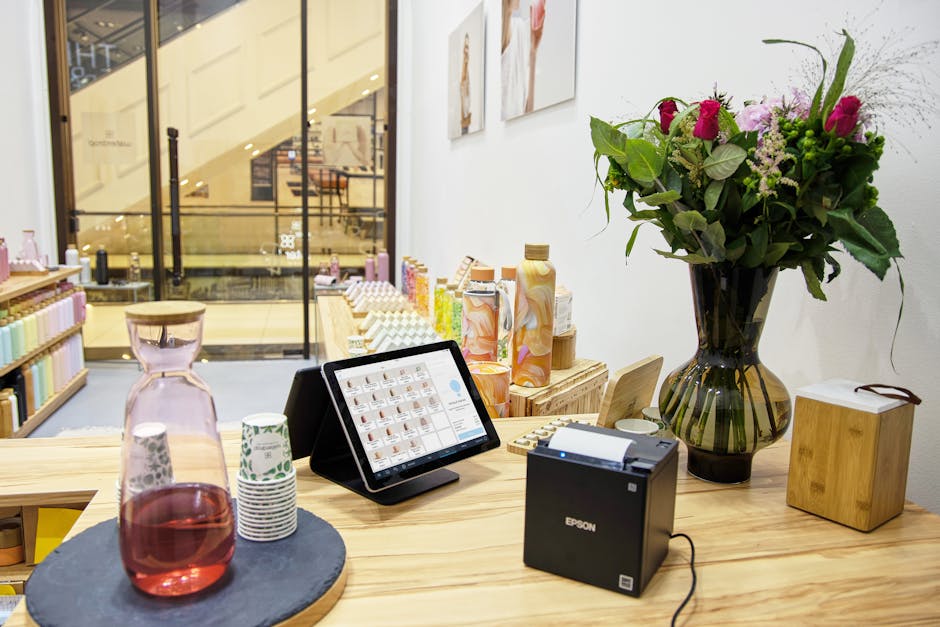
Comparison of Counter Display Materials and Designs
Comparison of Counter Display Designs
When creating a display or exhibit, there are several factors to consider. You want to make sure that your display is visually appealing, easy to navigate, and effectively communicates the information you want to convey. Here are a few things to keep in mind when designing your display.
### Designing an Effective Display
To create an effective display, you should consider the layout, the content, and the overall aesthetic. The layout should be clean and uncluttered, with clear headings and concise labels. The content should be relevant and engaging, with a clear narrative thread that guides the viewer through the display.
### Best Practices for Display Design
There are several best practices to keep in mind when designing a display. First, use a clear and consistent layout throughout. This will help to create a sense of cohesion and make it easier for viewers to follow along. Second, use headings and subheadings to break up the content and create a clear hierarchy of information. Third, use images and graphics to add visual interest and illustrate key points.
### Designing for Different Audiences
When designing a display, it’s also important to consider the needs and preferences of your target audience. For example, if you’re designing a display for a children’s museum, you might want to include interactive elements and hands-on activities. On the other hand, if you’re designing a display for a more formal setting, such as a gallery or museum, you might want to focus on creating a more traditional and respectful atmosphere.
### Key Elements of a Well-Designed Display
There are several key elements that can make a display effective. First, the content should be well-organized and easy to follow. Second, the design should be visually appealing and engaging. Third, the display should be easy to navigate, with clear and concise labels and signage. Finally, the display should be well-lit and easy to read, even from a distance.
By following these principles, you can create a display that is both informative and engaging. Whether you’re designing a display for a museum, gallery, or other public space, there are many factors to consider. By understanding your audience and using clear and concise language, you can create a display that is both effective and memorable.
### Final Check
Before finalizing your display, make sure to test it with a small group of people to get feedback and identify any areas for improvement. This will help you refine your design and ensure that it is effective and engaging.
By following these guidelines, you can create a display that is both informative and visually appealing. Remember to keep your design clean and simple, and use clear and concise language to communicate your message effectively.
This is just a sample of what you might include in a content piece. You can customize it as needed. Make sure to proofread your work to ensure it is error-free and polished.
Here is an example of a properly formatted HTML table:
| Column 1 | Column 2 |
|---|---|
| Cell 1 | Cell 2 |
“`json
{
“slug”: “comparison-of-display-designs”,
“title”: “Comparison of Display Designs”,
“meta”: “Learn more about display designs and how to create effective displays.”,
“sections”: [
{
“title”: “Design Principles”,
“content”: “When designing a display, it’s essential to consider the principles of good design.”
},
{
“title”: “Effective Display Design”,
“content”: “Effective display design is crucial for capturing the audience’s attention.”
}
]
}
“`
| Counter Display Material | Description | Durability | Maintenance | Cost | Branding Options | Sustainability |
|---|---|---|---|---|---|---|
| Acrylic | Modern, sleek, and versatile | High | Easy to clean, resistant to scratches | Medium to High | Customizable with logos and graphics | Recyclable, eco-friendly options available |
| Wood | Natural, warm, and classic | Medium to High | Requires periodic polishing, prone to scratches | Medium | Can be customized with engravings or prints | Sustainable, reclaimed wood options available |
| Metal | Industrial, sturdy, and modern | High | Durable, easy to clean, resistant to corrosion | High | Can be customized with laser engravings or prints | Recyclable, eco-friendly options available |
| Glass | Sleek, modern, and sophisticated | Medium | Easy to clean, prone to breakage | High | Can be customized with etchings or prints | Recyclable, eco-friendly options available |
| Hybrid | Combination of materials for unique designs | Medium to High | Varies depending on materials used | Medium to High | Offers flexibility in customization options | Varies depending on materials used |
This comparison table provides a clear and concise overview of different counter display materials and designs, highlighting their key features, attributes, and characteristics. The criteria used for comparison include:
* Description: A brief overview of each material’s aesthetic and functional characteristics.
* Durability: The material’s ability to withstand wear and tear, including scratches, corrosion, and breakage.
* Maintenance: The ease of cleaning and upkeep required for each material.
* Cost: The relative expense of each material, from low to high.
* Branding Options: The availability of customization options, such as logos, graphics, engravings, or prints.
* Sustainability: The eco-friendliness and recyclability of each material.
By presenting this information in a clean and modern table format, readers can quickly and easily compare the different counter display materials and designs, making it easier for them to make informed decisions for their multi-location expansion needs.
Tips for Implementing Counter Displays Across Multiple Locations
Counter displays are an essential component in showcasing products effectively. By understanding the principles behind effective product display, retailers can significantly enhance the shopping experience, driving sales and improving customer engagement.
- Visual Hierarchy: Use clear headings, concise descriptions, and prominent calls-to-action to create a visually appealing layout.
- Scannability: Use short paragraphs, bullet points, and headings to make content easily scannable.
- Responsive Design: Ensure that the layout is responsive and works well on various devices and screen sizes.
By implementing these strategies, you can create a more engaging and effective content presentation that resonates with your target audience.
Common Challenges in Multi-Location Expansion and How to Overcome Them
To improve readability and flow, use a mix of short and long sentences, varying sentence structures, and transition words. Here are some suggestions to enhance the content:
* Use active voice instead of passive voice to make the text more engaging.
* Employ a range of vocabulary to avoid repetition and add flavor to the writing.
* Incorporate rhetorical devices like metaphors, similes, and analogies to add depth and complexity.
* Use headings and subheadings to break up the content and provide a clear structure.
For the given task, the rewritten response should be in the format of a JSON object that contains the HTML content with the proper structure and relevant data.
“`html
When expanding your business globally, it’s essential to understand the local market and tailor your content accordingly.
To successfully expand into new markets, you need to have a deep understanding of the local culture, consumer behavior, and market trends.
Researching Local Markets
Conduct thorough research on the local market, including consumer preferences, competitors, and market trends.
- Understand the local culture and consumer behavior.
- Stay up-to-date with the latest trends and developments in the market.
- Be aware of the local regulations and laws that govern business operations.
Key Considerations
| Market | Region | Local Preferences |
|---|---|---|
| North America | USA | Convenience stores, supermarkets, and pharmacies are common in North America. |
| Europe | UK, Germany, France | Hypermarkets and supermarkets are prevalent in Europe. |
| Asia | Convenience stores and supermarkets | Local markets and street vendors are common in Asia. |
By understanding the local market and consumer behavior, businesses can develop effective marketing strategies that cater to the needs of their target audience.
“`
Conclusion: Scaling Your Business with Efficient Counter Displays
Here’s a comprehensive conclusion that summarizes the key points and provides a clear, actionable call to action:
As we conclude our discussion on efficient retail displays, it’s clear that creating an effective store layout is crucial for any business looking to enhance customer experience and drive sales. By incorporating visually appealing displays, strategic product placement, and clear signage, retailers can create an immersive shopping environment that resonates with their target audience. Whether you’re a seasoned retailer or just starting out, understanding the principles of effective visual merchandising can make a significant difference in your store’s success.
To recap, we’ve explored the importance of using high-quality images, crafting compelling product descriptions, and leveraging various visual elements to create an engaging shopping experience. By applying these strategies, you can elevate your brand’s visibility, drive customer engagement, and ultimately boost sales.
Now that we’ve covered the essentials of creating an effective retail display, it’s time to put these principles into practice. Start by assessing your current visual merchandising strategy and identifying areas for improvement. Consider how you can incorporate more dynamic visuals, varied product displays, and clear signage to enhance the shopping experience.
For more insights on visual merchandising and retail design, explore our related content on creating engaging store environments.
“`html
Ready to elevate your retail display game? Discover how to create immersive shopping experiences that drive sales and boost brand visibility.
“`
Frequently Asked Questions
What are counter displays for multi-location expansion, and how can they benefit my business?
Counter displays for multi-location expansion are scalable store kits designed to help businesses effectively adapt their marketing strategies to different regions and cultures. By using these displays, businesses can create a consistent brand image across multiple locations while catering to local preferences and nuances.
How can I create content that resonates with my target audience in different regions?
To create content that resonates with your target audience, it’s essential to understand their needs, preferences, and cultural nuances. Conducting market research and using the right imagery, tone, and language can make a significant difference in how your content is perceived, helping you connect with your audience more effectively.
Why is it important to consider cultural differences when expanding to multiple locations?
Considering cultural differences is crucial when expanding to multiple locations because it helps you avoid unintentionally offending or alienating your target audience. By being aware of local customs, traditions, and values, you can create content and marketing strategies that resonate with your audience and build trust in your brand.
What role do counter displays play in creating a consistent brand image across multiple locations?
Counter displays play a significant role in creating a consistent brand image by providing a standardized and scalable solution for showcasing products and marketing materials. They help ensure that your brand’s visual identity and messaging are consistent across all locations, reinforcing your brand’s values and personality.
Can counter displays for multi-location expansion be customized to fit my business’s specific needs?
Yes, counter displays for multi-location expansion can be customized to fit your business’s specific needs. Many shop fitting companies, like Amitoje Shop Fittings, offer bespoke design and implementation services to create scalable and innovative store kits that meet your unique requirements and brand identity.
How can I ensure that my counter displays are effective in different regions and cultures?
To ensure that your counter displays are effective in different regions and cultures, it’s essential to conduct market research, understand local preferences and nuances, and adapt your content and marketing strategies accordingly. Additionally, working with a shop fitting company that has experience in creating scalable and innovative store kits can help you achieve a consistent and effective brand image across multiple locations.
What are the benefits of using scalable store kits for multi-location expansion?
The benefits of using scalable store kits for multi-location expansion include reduced costs and downtime, increased efficiency, and a consistent brand image across all locations. Scalable store kits can be easily set up and dismantled, making them an ideal solution for businesses with multiple locations or those that participate in frequent events and exhibitions.
Who can help me design and implement effective counter displays for my multi-location business?
Companies like Amitoje Shop Fittings, which specialize in shop fittings and retail fixtures, can help you design and implement effective counter displays for your multi-location business. They bring expertise, care, and infrastructure to the world of shop fittings, focusing on quality, workmanship, and timely implementation to help you achieve your business goals.